home

Driscoll Home Services Blog

Home About Reviews AreaMap Blog Contact

Category: Glenn’s Repairs

  • Common Signs of Hidden Water Damage in Your Home

    Common Signs of Hidden Water Damage in Your Home

    Glenn’s Repairs Water Damage Series — Part 2

    Water damage isn’t always as obvious as water dripping from the ceiling or a puddle on the floor. Sometimes the first signs of water damage are so small that they’re easy to overlook.

    A little discoloration on a wall. A piece of trim that doesn’t look quite right. Paint that has started to bubble. A floor that suddenly feels a little different under your feet.

    Glenn deals with water damage regularly in his repair work, and one thing he has learned is that what you can see on the surface doesn’t always tell you how much damage is underneath.

    That’s why it pays to notice the little changes around your home.

    Water Stains on Walls and Ceilings

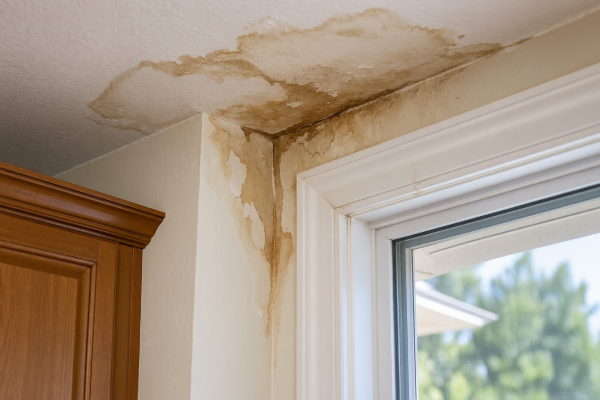
    One of the easiest signs of water damage to recognize is a stain on a wall or ceiling.

    It may be yellowish or brown, or it may simply look like a darker area than the surrounding surface. Even a small stain deserves some attention, especially if it grows larger or returns after being painted over.

    The important thing to remember is that the stain tells you where the water ended up. It doesn’t necessarily tell you where the water came from.

    Water can travel along pipes, framing and other building materials before finally reaching the spot where you see it.

    Peeling, Bubbling or Cracking Paint

    Paint can sometimes give you an early warning that moisture is getting where it shouldn’t.

    Paint may begin bubbling or peeling away from the surface. Drywall underneath it may feel damp or soft. Wallpaper can also begin pulling away from the wall.

    Painting over the problem may make it look better temporarily, but it doesn’t stop the source of the moisture.

    If water is causing the paint to fail, you need to find out where that water is coming from.

    Soft or Swollen Wood

    This is one Glenn pays particular attention to.

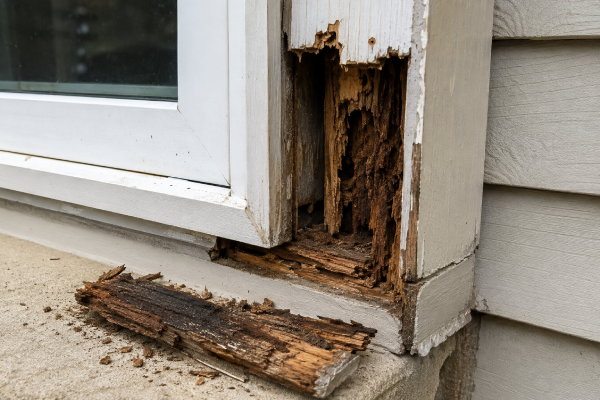
    Wood around windows, doors, exterior trim, sinks and other areas exposed to moisture should feel solid. If you press on an area and the wood feels unusually soft, spongy or crumbly, water may have been getting into it for some time.

    Wood can also swell, warp or begin separating.

    And sometimes the damage underneath is considerably greater than what you can see from the outside.

    What looks like one little damaged corner may turn into a much larger repair once the deteriorated material is removed and solid wood is finally reached.

    Warped or Loose Flooring

    Floors can also tell you that something is wrong.

    Wood and laminate flooring may buckle, swell or develop raised areas. Tiles may become loose. Vinyl flooring can lift or change shape.

    Sometimes the problem isn’t actually the flooring. Water may be underneath it.

    A leaking appliance, plumbing problem or another source of moisture can affect the flooring as well as the subfloor beneath it.

    If a section of flooring suddenly starts behaving differently from the rest of the floor, it’s worth finding out why.

    A Musty Smell That Doesn’t Go Away

    Sometimes you can smell a moisture problem before you can see it.

    A persistent musty or moldy odor can be a reason to investigate further, particularly if it seems strongest in one particular room or area.

    The EPA notes that a moldy or musty odor can indicate mold growth that should be investigated. Moisture is what allows indoor mold to grow, so finding and correcting the source of the moisture is important.

    Don’t assume that everything is fine simply because you can’t see anything unusual.

    Look Around Windows and Doors

    Windows and exterior doors are good places to check periodically.

    Look closely at the trim, corners and areas where different materials meet. Watch for cracked or missing caulk, discoloration, peeling paint, swollen wood or soft spots.

    A very small opening can allow rainwater into places where it was never intended to go.

    Over time, repeated exposure can turn what appears to be a minor exterior maintenance problem into damaged wood and a much larger repair.

    Don’t Forget Under Sinks and Around Appliances

    Some of the easiest water leaks to miss are inside the house.

    Take an occasional look underneath kitchen and bathroom sinks. Check around the toilet, dishwasher, washing machine, refrigerator water line and water heater.

    You’re looking for more than standing water.

    Look for staining, dampness, swollen cabinet material, corrosion or anything else that wasn’t there before.

    A slow drip can do a surprising amount of damage when it has weeks or months to work.

    Hidden Water Damage Can Keep Getting Worse

    A small leak doesn’t necessarily stay a small repair.

    If water continues reaching wood, drywall, insulation, flooring or other materials, the affected area can become larger over time. The EPA recommends fixing water problems promptly and drying wet or damp materials quickly—generally within 24 to 48 hours—to help prevent mold growth.

    That’s another reason the early signs of water damage shouldn’t be ignored.

    Your Home Will Often Give You Clues

    You don’t have to be a home repair expert to notice when something has changed.

    You walk through your house every day. You know what your walls, floors, windows and doors normally look like.

    If you notice a new stain, a soft piece of wood, peeling paint, an unusual smell or flooring that suddenly doesn’t feel right, take a closer look.

    It may turn out to be nothing serious.

    But when water is involved, finding the problem early can sometimes mean the difference between a relatively simple repair and discovering much more damage after the surface is opened up.

    When your home gives you a clue that something isn’t right, it’s usually worth paying attention.

  • Tropical Storm Edouard in Texas: Preparing Your Central Texas Home for Heavy Rain

    Tropical Storm Edouard in Texas: Preparing Your Central Texas Home for Heavy Rain

    Living in Central Texas, we know that tropical storms don’t necessarily have to come directly through our communities to affect us.

    Tropical Storm Edouard is moving toward the Texas and Louisiana Gulf Coast, bringing heavy rainfall and the possibility of flooding to portions of the state. Here in Central Texas, we’re farther from the center of the storm, but moisture from Edouard is expected to increase our chances for showers and thunderstorms over the next several days.

    For those of us in Milam County and the surrounding area, this is a good opportunity to take a few simple precautions around the house before the rain arrives.

    Tropical Storm Edouard Could Bring Rain to Central Texas

    The National Weather Service expects the remnants of Edouard to move inland and increase rain chances across Central Texas Wednesday and Thursday.

    The greatest rainfall is expected farther southeast toward the Brazos Valley, where localized heavier rainfall and flash flooding are possible.

    That doesn’t mean Milam County is expecting hurricane conditions.

    It does mean we could see thunderstorms and periods of heavier rain, and that’s enough reason to look around the house and take care of a few things beforehand.

    Take a Look at Your Gutters

    We don’t think much about gutters when it hasn’t rained in a while.

    Unfortunately, that’s also when leaves, twigs and other debris can accumulate.

    When heavy rain finally arrives, clogged gutters can overflow and dump water where you don’t want it—against siding, around windows or near the foundation.

    If your gutters are safely accessible, check them and remove accumulated debris before the rain.

    If cleaning them requires climbing onto a roof or putting yourself in an unsafe position, get some help instead.

    Check Where Water Goes Around Your House

    Take a walk around your home and look at the ground.

    Does it slope away from the house, or are there low spots where water collects next to the foundation?

    Are drainage areas blocked with leaves, grass clippings or other debris?

    Heavy rain has a way of showing us drainage problems we didn’t know we had.

    You may not be able to solve a major drainage problem before a storm arrives, but clearing an obvious obstruction can sometimes prevent a much larger mess.

    Secure Things That Can Blow Around

    Thunderstorms can produce strong, gusty winds even when a tropical storm itself isn’t passing directly over us.

    Look around the porch, patio and yard for lightweight objects that could blow away.

    Lawn chairs, empty flowerpots, trash cans, decorations and lightweight tools can become a problem when the wind picks up.

    Putting them somewhere secure takes only a few minutes.

    Look for Signs of an Existing Roof Leak

    If you’ve noticed a ceiling stain or evidence of a small roof leak, don’t forget about it simply because the weather has been dry.

    A small leak can become much more noticeable when several rounds of rain move through.

    You don’t necessarily want to start climbing onto a roof immediately before a storm. Instead, inspect what you can safely see from the ground and from inside the house.

    If you already know there’s a problem, now is the time to make plans to have it checked.

    Prepare for the Possibility of a Power Outage

    Thunderstorms occasionally bring power outages with them.

    Make sure flashlights are somewhere you can actually find them and check that they work. Charge phones and other necessary devices ahead of the weather.

    If someone in the household depends on electrically powered medical equipment, have a plan for what you’ll do if electricity is interrupted.

    That’s particularly important for families caring for an older adult at home.

    Check on Elderly Family Members and Neighbors

    Storm preparation isn’t only about the house.

    If you have an elderly parent, relative or neighbor living alone, give them a call.

    Make sure they know weather is coming and ask whether they need anything beforehand. Check that they have necessary medications, food and drinking water and that someone will be available if they need assistance.

    If heavy rain does occur, it’s much better to have these things taken care of before roads become difficult to travel.

    Never Take a Chance With Flooded Roads

    One of the most important storm-safety rules has very little to do with maintaining your house.

    Don’t drive through flooded roadways.

    Water covering a road can be deeper or moving faster than it appears, and the roadway underneath may have been damaged.

    If you encounter water across the road, turn around and find another route.

    No appointment, errand or household project is worth risking your life to get there.

    A Little Preparation Before the Rain

    At Driscoll Home Services, we spend a lot of time taking care of homes throughout West Milam County and the surrounding Central Texas area.

    One thing we’ve learned is that the best time to deal with many household problems is before they become emergencies.

    Tropical Storm Edouard may be primarily a Gulf Coast weather event, but its moisture is expected to reach farther inland and increase our chances of rain here in Central Texas.

    So take a few minutes to check the gutters, look at the drainage around your house, secure loose outdoor items, charge your phone and check on the people around you.

    We may simply end up getting some much-needed rain.

    But when Texas weather is involved, being prepared is rarely wasted effort.

  • The Small Water Leak That Turns Into a Big Repair

    The Small Water Leak That Turns Into a Big Repair

    Glenn’s Repairs Water Damage Series — Part 1

    A small water leak may not seem like much of a problem. A little drip around a window, a damp spot under the sink, or a small stain on the ceiling can be pretty easy to ignore. After all, if there isn’t water pouring into the house, how bad can it really be?

    Unfortunately, sometimes it can be pretty bad.

    Water damage is one of the most common problems Glenn runs across while doing home repairs. Quite often, a water damage repair can be traced back to a small leak that wasn’t noticed or taken care of right away. What started as a minor problem eventually became a much bigger repair.

    A Little Water Can Do a Lot of Damage

    One of the problems with a small leak is that it may go unnoticed for a long time. Water can slowly work its way behind walls, underneath flooring, around windows and doors, or into the wood that makes up part of your home.

    By the time you actually see the damage, the leak may have been there for quite a while.

    That little soft spot in the wood may be bigger underneath than it looks. A small stain on the drywall may be coming from water traveling from somewhere else. What looks like a little caulking problem around a window may turn out to include damaged or rotten wood.

    This is why Glenn doesn’t just look at the spot where the damage is showing. He wants to know where the water is coming from in the first place.

    Water Damage Repair Starts With Finding the Source

    Repairing water damage without stopping the water is usually just a temporary fix.

    You can replace a piece of damaged wood, patch some drywall, or paint over a stain, but if water is still getting in, sooner or later you’re going to have the same problem again.

    Sometimes finding the source is fairly simple. Other times, it takes a little detective work.

    Water can come from a leaking pipe, a roof problem, damaged caulking, a poorly sealed window or door, or water getting behind exterior materials. And because water can travel, the place where you see the damage isn’t necessarily the place where the leak started.

    The important thing is to find out why it is happening before repairing what the water damaged.

    Watch for the Early Warning Signs

    You don’t have to wait until you have a major water problem to do something about it.

    Keep an eye out for things that don’t look or feel quite right. Peeling or bubbling paint, discoloration on a wall or ceiling, swollen wood, soft spots, loose trim, warped flooring, and a persistent musty smell can all be reasons to take a closer look.

    If something stays damp when it shouldn’t, don’t assume it will simply dry out and be fine.

    Wet materials can deteriorate, and moisture can also create conditions where mold can grow. See EPA guidance on moisture and mold. Finding the source and getting things dried out quickly can help prevent a relatively small problem from becoming something much more serious.

    The Longer You Wait, the Bigger the Repair Can Become

    This is probably the most important lesson Glenn has learned from dealing with water damage: water doesn’t usually fix itself.

    A small opening continues letting water in. Damp wood can deteriorate. Damage can spread into materials that weren’t originally affected.

    A water damage repair that might have involved replacing or sealing one small area can eventually require removing considerably more material just to get back to solid, undamaged wood.

    That’s when a small repair starts becoming a big repair.

    Take a Look Around Your Home

    Every once in a while, take a slow walk around your house and actually look at it.

    Check around your windows and exterior doors. Look underneath sinks. Pay attention to the ceilings. Look for damaged caulking, peeling paint, soft wood, discoloration, and anything else that has changed since the last time you noticed it.

    You know your home better than anybody. If something suddenly looks different, there is usually a reason.

    Catching a water problem early won’t necessarily make the repair disappear, but it may keep a small problem from becoming a much larger and more expensive one.

    And when it comes to water damage repair, sooner is almost always better than later.

  • Welcome to the Driscoll Home Services Blog

    Welcome to the Driscoll Home Services Blog

    Welcome to the Driscoll Home Services blog. We are glad you found us, and we hope you will come back often.

    We started this blog because we wanted to create something that goes beyond simply telling people about the services we offer. Over the years, we have learned a lot from taking care of homes, making repairs, helping seniors, and just dealing with the everyday things that come with maintaining a home and caring for a family.

    We thought this would be a good place to share some of what we have learned.

    Why We Started the Driscoll Home Services Blog

    There is no shortage of information on the Internet. The problem is that sometimes you have to go through an awful lot of it to find a simple answer to a simple question.

    We want this blog to be different.

    Our goal is to share useful, down-to-earth information that people can actually use. Some articles will answer common questions we hear from customers. Others will offer cleaning and household tips, discuss home repairs and maintenance, or cover topics that may be helpful to seniors and their families.

    We also live and work here in Central Texas, so from time to time we hope to share information about our local communities and things happening in the area.

    A Little About Driscoll Home Services

    Driscoll Home Services brings together three different services for the home and family.

    Driscoll Cleaning provides residential cleaning for people who would like some help keeping their homes clean, comfortable, and enjoyable.

    Glenn’s Repairs takes care of many of those home repair, maintenance, and improvement jobs that seem to accumulate around a house.

    Carol’s Senior Care provides non-medical senior companion care and help with everyday activities for seniors who want to remain comfortable and independent at home.

    Although these are three different services, they have something important in common. They are all about helping people take care of their homes, their families, and some of the everyday responsibilities that can make life a little easier when you have someone dependable to help.

    Serving West Milam County and Surrounding Areas

    Driscoll Home Services serves West Milam County and surrounding areas.

    We are a local business, and that is important to us. The people we serve aren’t just names on a schedule. They are our neighbors and members of the same communities where we live and work.

    We believe good service begins with treating people fairly, showing up when you say you will, communicating clearly, and respecting someone’s home and property.

    Those are simple ideas, but we think they still matter.

    What You’ll Find on Our Blog

    We want this blog to cover a variety of useful subjects.

    You may find an article about an easier way to clean something around the house, followed by one about a home repair that shouldn’t be ignored. Another article might discuss ways families can help an older loved one remain comfortable at home.

    We also plan to share household tips and practical ideas that may not fit neatly into any one of our three services.

    And because this is our home too, we hope to occasionally talk about West Milam County, Central Texas, and things that may be interesting or useful to people in our area.

    Not every article will be about hiring us. In fact, we don’t want it to be.

    Sometimes we simply want to share something useful.

    Our Goal for This Blog

    Our goal is for the Driscoll Home Services blog to become a place people can visit when they are looking for practical information from people who understand the everyday challenges of taking care of a home and family.

    We hope you’ll find answers here. We hope you’ll discover an occasional idea you hadn’t thought of before. And every once in a while, we hope you’ll find something that’s simply interesting to read.

    Most of all, we hope that over time this blog becomes a useful resource for our customers, our neighbors, and families throughout West Milam County and the surrounding Central Texas area.

    We are just getting started, and we have plenty to talk about.

    Thank you for stopping by, and welcome to the Driscoll Home Services blog.