

home

Driscoll Home Services Blog

Driscoll Home Services. Welcoming front porch.

Introduction ︾

  • Milam County Data Centers: What the Growth Could Mean for Local Residents

    Milam County Data Centers: What the Growth Could Mean for Local Residents

    Milam County data centers are becoming a much bigger part of the local landscape. It was once mostly a story about cryptocurrency mining around Rockdale. But it is quickly becoming a much larger story. Involving artificial intelligence, enormous computing facilities, and major investments. And there are questions about how all of this growth could affect the communities where we live.

    For those of us who call Milam County home, these projects are worth paying attention to. They can bring jobs and investment to the area. But facilities of this size also raise questions about electricity, water, roads, and other local resources.

    Another Large Data Center Planned for Milam County

    One of the projects attracting attention is the planned Freebird data center near Burlington.

    According to state filings, the project represents an investment of approximately $470 million and is expected to include about 548,950 square feet of new construction.

    That is a substantial development for a rural county like ours.

    Large projects can mean construction jobs while a facility is being built as well as permanent positions once it begins operating. They can also increase the local tax base and bring additional businesses and investment into the area.

    But Freebird isn’t the only major data center project coming to Milam County.

    Artificial Intelligence Is Coming to Milam County

    Another enormous project involves OpenAI and SB Energy, which are developing an artificial intelligence data center campus in Milam County.

    The planned facility is expected to have approximately 1.2 gigawatts of computing capacity.

    To put that in perspective, these aren’t ordinary office buildings filled with computers. Modern artificial intelligence requires enormous amounts of computing power. Thousands of specialized computer systems may operate around the clock, which means the facilities supporting them can require tremendous amounts of electricity.

    That is one reason rural areas with available land and access to electrical infrastructure have become attractive locations for these projects.

    Milam County happens to have both.

    Rockdale Has Already Seen the Beginning of This Change

    For people around Rockdale, large computing facilities aren’t entirely new.

    The former Alcoa property has already become home to large cryptocurrency mining operations, and we previously wrote about the growth of data centers around Rockdale.

    What is happening now, however, appears to be another stage of that development.

    Instead of primarily talking about cryptocurrency mining, we are now seeing companies investing heavily in the infrastructure needed for artificial intelligence and high-performance computing.

    That could make Milam County increasingly important in a rapidly growing technology industry.

    What About Electricity?

    Electricity is probably one of the first things many homeowners think about when they hear how much power these facilities can consume.

    Texas already has a rapidly growing population and increasing demand for electricity. Adding very large data centers to the grid creates another source of demand.

    That doesn’t automatically mean our electric bills will suddenly increase because a data center opens nearby. The Texas electrical system is complicated, and many factors affect electricity prices.

    Still, the amount of electricity required by large data centers has become important enough that state officials, utilities, and ERCOT are paying close attention to how these facilities connect to the grid and how future demand will be handled.

    For local residents, it is a subject worth watching as these projects move forward.

    Water Is Another Concern

    Water is particularly important to those of us living in Central Texas.

    Some types of data centers use significant amounts of water for cooling, while others use cooling systems designed to greatly reduce water consumption.

    That makes it important to look at each project individually rather than assuming every data center operates the same way.

    In a rural county where many families depend on wells, groundwater, municipal systems, agriculture, and livestock, questions about water use are reasonable ones to ask.

    Residents will want to know where a facility’s water will come from, how much it expects to use, and what cooling technology will be used.

    Texas Officials Are Taking a Closer Look

    The rapid growth of data centers isn’t just getting attention in Milam County.

    Texas officials are beginning to look more closely at the effect these enormous projects could have on the state’s resources and infrastructure.

    On September 21, Governor Greg Abbott directed state agencies to temporarily halt certain permits involving new data centers while Texas evaluates issues involving electricity and water demands.

    That doesn’t mean data-center development in Texas is stopping. It does show, however, that state leaders recognize the size and speed of this new development and the questions that come with it.

    What Could This Mean for Milam County?

    There are potential benefits.

    Hundreds of millions of dollars in private investment can create construction work, permanent jobs, tax revenue, and opportunities for other local businesses.

    There can also be challenges.

    Large developments can affect roads, electrical infrastructure, water resources, housing, and the character of rural communities. Those effects may not appear overnight, and some may depend heavily on how individual projects are designed and operated.

    For Milam County residents, the important thing is to stay informed as the projects develop.

    A Big Change for a Rural Texas County

    Milam County has changed many times over the years. Agriculture, Alcoa, energy production, cryptocurrency mining, and now artificial intelligence have all played—or may soon play—a role in our local economy.

    The newest wave of data-center development could become one of the largest economic changes our area has seen in years.

    Whether you live in Rockdale, Cameron, Thorndale, Milano, Buckholts, Burlington, or somewhere out in the country like we do, these developments are happening close to home.

    At Driscoll Home Services, we try to keep up with news that could affect the homes, families, and communities we serve throughout Milam County.

    We’ll continue watching the growth of these projects and sharing important developments as they happen.


  • Milam County Burn Ban Update: Outdoor Burning Still Restricted

    Milam County Burn Ban Update: Outdoor Burning Still Restricted

    If you live in Milam County and have been waiting for an opportunity to burn brush, leaves or other debris around your property, you’ll need to wait a little longer.

    Milam County remains under a burn ban.

    The current burn ban went into effect August 13, 2026, as dry conditions and wildfire concerns increased across Central Texas.

    With many of us living in rural areas where burning brush and yard debris is a normal part of taking care of our property, it’s important to know when restrictions are in place.

    Why Burn Bans Matter

    It doesn’t take a large fire to cause trouble when grass and vegetation are dry.

    A small pile of burning brush can throw sparks farther than you might expect. Wind can carry those sparks into dry grass, a neighboring pasture or along a fence line, allowing a fire to spread quickly.

    Equipment can also start fires accidentally. Mowers, welding equipment, chains dragging on pavement and other activities that produce heat or sparks can become ignition sources during very dry conditions.

    That makes a little extra caution around the farm and yard worthwhile even when you’re not intentionally burning anything.

    Texas A&M Forest Service – Current Wildfire Status

    What Does the Milam County Burn Ban Mean?

    A county burn ban generally restricts outdoor burning in the unincorporated portions of the county.

    There can be specific exceptions under Texas law for certain agricultural, public-safety, utility and professionally managed prescribed-burning activities. Because the exact restrictions depend upon the county’s current order, residents shouldn’t assume that a particular type of outdoor fire is allowed.

    If you’re uncertain, check with Milam County officials before you burn.

    Don’t Let a Little Rain Fool You

    One good rain doesn’t necessarily mean a burn ban has ended.

    Soil and vegetation can remain dry, and county officials determine when conditions have improved enough to lift the restriction.

    That’s why it’s better to check the current status rather than assuming the ban is over because your property received some rain.

    A Good Time to Clean Up—Just Don’t Burn It Yet

    You don’t necessarily have to stop your fall yard and property cleanup.

    You can still gather fallen limbs, clear brush away from buildings and fences, and clean up areas around your home. Just keep anything you would normally burn piled safely until outdoor burning is permitted again.

    Clearing dry vegetation from around the house can also help reduce available fuel if a grass or wildfire occurs nearby.

    Wildfire Preparedness – Protecting Your Home and Property

    Check Before You Burn

    Burn-ban conditions can change, so always check the current status before starting an outdoor fire.

    The Texas A&M Forest Service maintains statewide burn-ban information, while Milam County officials are the best source for the restrictions that apply locally.

    We’ll also continue watching local conditions and share important updates when they affect our neighbors.

    At Driscoll Home Services, we live and work here too. Our Central Texas News articles are one way we try to keep our customers and neighbors informed about things happening in Milam County and the surrounding communities.

  • How to Clean Greasy Kitchen Cabinets and Tackle Kitchen Grease Buildup

    How to Clean Greasy Kitchen Cabinets and Tackle Kitchen Grease Buildup

    One of our Driscoll Cleaning customers recently mentioned that she was concerned about grease buildup in her kitchen. It is a problem that can sneak up on you.

    You may wipe down the stove and countertops regularly and think everything is clean. Then one day you run your hand across a cabinet door and wonder why it feels sticky.

    Cooking grease doesn’t necessarily stay around the stove. Tiny droplets can become airborne while you cook and eventually settle on cabinets, appliances, backsplashes and other surfaces. Add a little dust to that grease and, over time, you can end up with a sticky film that isn’t nearly as easy to wipe away as an ordinary layer of dust.

    If you’re wondering how to clean greasy kitchen cabinets, the first thing to remember is that stronger isn’t always better.

    Start With the Gentlest Cleaner

    Before reaching for a heavy-duty degreaser, start simple.

    For many washable cabinet surfaces, warm water with a small amount of mild dish soap is a good place to begin. Dish soap is made to cut through grease, and sometimes that’s all you need.

    Use a soft cloth rather than something abrasive. You don’t want to solve the grease problem by creating a new problem with scratches or a damaged finish.

    Don’t soak the cabinets, either. Your cloth should be damp rather than dripping wet.

    Work on a small area at a time and then wipe away the soap and loosened grease with a clean damp cloth. Dry the surface afterward instead of leaving it wet.

    Know What Your Cabinets Are Made Of

    This is important.

    Not all kitchen cabinets can be cleaned the same way.

    Painted cabinets, laminate, finished wood and other cabinet surfaces may react differently to cleaning products. Something that works beautifully on one surface could dull, discolor or damage another.

    If you aren’t sure what kind of finish you have, be cautious.

    Before trying a new cleaner, test it somewhere inconspicuous. The inside of a cabinet door can be a good place. Give it a little time and make sure there is no change in the finish before using it everywhere.

    Pay Attention Around the Handles

    Take a close look at the area around your cabinet handles and knobs.

    Those areas can collect quite a bit of grime because we touch them so often, sometimes while we’re cooking. Grease from the air combines with whatever is transferred from our hands.

    The little edges and grooves around handles can also be easy to miss during regular cleaning.

    A soft cloth can handle most of the job. For small crevices, a soft toothbrush can sometimes help, provided it won’t scratch the surface.

    Don’t Forget the Tops of the Cabinets

    If your kitchen cabinets don’t go all the way to the ceiling, take a look on top.

    You might be surprised.

    Grease that becomes airborne can eventually settle up there, and because the tops of cabinets aren’t something most of us see every day, that layer can sit undisturbed for a long time.

    Then dust settles on top of it.

    That’s when you can end up with a thick, sticky mess that takes considerably more work to remove.

    The range hood and the cabinets closest to the stove deserve special attention for the same reason.

    The Range Hood Is Part of the Job

    Your range hood is designed to help capture grease, smoke and other cooking byproducts, so naturally it can get greasy.

    The outside needs regular cleaning, but don’t forget about the filter.

    Some range hood filters can be removed and washed, while others need to be replaced. Check the manufacturer’s instructions for your particular range hood before cleaning the filter.

    A range hood can’t do its job as effectively if it is loaded with grease.

    What About Really Heavy Grease Buildup?

    This is where patience comes in.

    If grease has been accumulating for months or even years, one quick wipe probably isn’t going to remove it.

    You may need to clean the same area more than once.

    I would rather make several gentle passes than immediately attack a cabinet with the strongest cleaner I could find. Once a cabinet finish has been damaged, cleaning it isn’t going to put the finish back.

    For stubborn buildup, check the cabinet manufacturer’s cleaning recommendations before moving to a stronger product.

    Be Careful With Homemade Cleaning Remedies

    There are all kinds of homemade cleaning recipes on the Internet.

    Vinegar and baking soda seem to show up in just about every list.

    That doesn’t mean they’re appropriate for every surface in your kitchen.

    Vinegar is acidic, baking soda is abrasive, and cabinet finishes vary considerably. Before using either one—or any homemade mixture—make sure it is safe for the particular surface you’re cleaning.

    Natural doesn’t automatically mean harmless to a finish.

    Keeping Kitchen Grease From Building Up Again

    Once you have gone through all the work of removing old grease, keeping up with it is much easier.

    Wipe the cabinets around the stove regularly instead of waiting until they feel sticky. Clean splatters when you notice them. Keep the range hood and filter maintained, and don’t forget those areas around the knobs and handles.

    You don’t necessarily need to scrub the entire kitchen every week.

    The idea is simply to remove the grease while it is still a light film instead of waiting until it has had months to collect dust and harden. Dust is another cleaning problem that likes to collect in places we don’t always notice.

    A few minutes of regular cleaning can save you a much bigger job later.

    Sometimes Kitchen Grease Just Gets Ahead of You

    Kitchen grease is one of those cleaning problems that tends to build gradually. You don’t wake up one morning to discover that your cabinets suddenly became greasy overnight.

    It happens a little at a time.

    And because we see our own kitchens every day, sometimes we don’t notice the buildup until it has become a pretty good cleaning job.

    If that has happened in your kitchen, don’t feel like you have to tackle every cabinet, appliance and surface at once. Start near the stove, work on one section at a time and keep going. The same one-step-at-a-time approach works when the whole house has gotten away from you.

    And if the job has become more than you want to tackle yourself, that’s one of the things we’re here for.

    At Driscoll Cleaning, we’ve learned that sometimes a good cleaning isn’t about making a home look perfect.

    It’s about helping someone get caught up—and making it a whole lot easier to keep it that way.

  • Boil Water Notice Issued for the Davilla and Sharp Area

    Boil Water Notice Issued for the Davilla and Sharp Area

    If you live in the Sharp or Davilla area, you may want to check your water service before turning on the faucet for a drink.

    Bell-Milam-Falls Water Supply Corporation issued a boil water notice on September 17, 2026. This affects customers in portions of the Davilla and Sharp area.

    The notice was issued because of low chlorine residual in the Davilla pressure plane. The Texas Commission on Environmental Quality requires affected customers to boil their water before using it for human consumption.

    What Should You Do During the Boil Water Notice?

    According to the official notice, water used for drinking, cooking and making ice should be brought to a vigorous rolling boil and boiled for two minutes. Allow the water to cool before using it.

    Bottled water or water from another suitable source can also be used instead.

    The notice also specifically mentions precautions for activities such as brushing your teeth and washing your hands or face. Children, seniors and people with weakened immune systems can be especially vulnerable to harmful bacteria.

    What Areas Are Affected?

    The official notice lists customers along:

    • FM 487 east of Davilla
    • FM 1915 south of Little River
    • FM 437 south of Val Verde
    • County Roads 405, 407, 408, 409, 410, 410A, 411, 414, 418, 418A, 422 and 423
    • Davila east of FM 437

    Because Bell-Milam-Falls WSC is identifying this as the Davilla and Sharp Area Boil Water Notice, customers in the surrounding area who are uncertain whether their home is affected should check directly with the water supply corporation.

    Don’t Assume the Notice Has Ended

    A boil water notice remains important until the water system announces that the water is safe for normal use again.

    Bell-Milam-Falls WSC says it will notify customers when boiling is no longer necessary and will issue a notice rescinding the boil water notice.

    Until then, affected residents should continue following the boil-water instructions.

    Help Your Neighbors Know

    In a rural community, not everyone sees an online notice right away.

    Bell-Milam-Falls WSC is asking customers to share the information with others who may drink the affected water, including people in homes, apartments, schools, nursing homes and businesses.

    If you have an elderly neighbor or someone nearby who may not use the internet regularly, it might be worth giving them a call.

    For the latest information and, most importantly, the eventual all-clear, check directly with Bell-Milam-Falls Water Supply Corporation.

    Driscoll Home Services shares Central Texas News that may affect our customers, neighbors and communities throughout Milam County and the surrounding area.

  • Carol’s Quick Household Tip: Save Those Appliance Twist Ties

    Carol’s Quick Household Tip: Save Those Appliance Twist Ties

    When you buy a small appliance, the cord is often bundled with some pretty good twist ties. I hate to throw those away because they can come in handy for all kinds of little jobs around the house. Twist tie storage.

    The problem is figuring out where to keep them. Toss them in a drawer and before long they’re tangled together or buried underneath everything else.

    I found a simple solution using an empty spice jar with large shaker holes.

    Clean and dry the empty spice jar, then put your saved twist ties inside and feed the ends through the holes in the shaker top. The ties stay together in one place. But the ends stick out where you can easily see and grab one whenever you need it.

    It keeps those useful twist ties organized, gives an empty spice jar a second purpose, and costs absolutely nothing. Twist tie storage.

    Carol’s Tip: Before throwing away an empty spice container, take a look at the shaker top. Those big holes can make it a surprisingly useful little organizer.

    Driscoll Home Services.

  • Rabies Reports Rising in Central Texas: What Milam County Residents Should Know

    Rabies Reports Rising in Central Texas: What Milam County Residents Should Know

    Residents across Central Texas are being urged to pay closer attention to the risk of rabies after the Thorndale Police Department issued a warning about an increase in rabies reports in Central Texas. Including Milam, Williamson and Travis counties.

    The local warning comes as Texas continues to document rabies activity in wildlife and domestic animals during 2026. The Texas Department of State Health Services maintains statewide rabies surveillance data, although its detailed monthly reports currently available online extend only through May.

    What animals are most likely to carry rabies in Texas?

    For those of us living in rural Central Texas, rabies is something worth taking seriously. Wildlife, livestock, pets and people often live much closer together here than they do in more urban areas.

    Rabies can infect any mammal, but in Texas it is most frequently found in wild animals such as skunks, bats, raccoons and foxes. Cases can also occur in cats, dogs, cattle, horses and goats. The virus is primarily spread through the saliva of an infected animal, most commonly through a bite.

    That makes rabies especially important for rural families who have dogs and cats outdoors, livestock, chickens or barns and outbuildings that may attract wildlife.

    Don’t assume an animal has to look vicious

    One of the more important things to know about rabies is that an infected animal doesn’t always behave the way we might expect.

    Texas DSHS advises watching for unusual behavior. A wild animal that suddenly seems unusually friendly or tame can be concerning, just as an animal displaying aggression can be. Other warning signs can include difficulty walking, eating or drinking, excessive excitement or unusual behavior. Seeing normally nocturnal wildlife such as skunks or foxes behaving abnormally during the daytime can also be a warning sign.

    Protect your dogs and cats

    The safest rule is simple: don’t handle wildlife, even if the animal appears harmless.

    Keeping pets vaccinated is one of the most important protections against rabies.

    Texas requires dogs and cats to receive a rabies vaccination by four months of age, administered by a licensed veterinarian. Pet owners should also make sure boosters remain current.

    Outdoor pets can encounter wildlife without their owners ever seeing it happen. A skunk, bat or other infected animal can expose a pet, which can then create a potential risk for the family.

    Keeping pets from roaming and avoiding contact with unfamiliar or wild animals further reduces that risk.

    Be especially careful around bats

    Bats deserve special attention because their bites can be extremely small and may not always be obvious.

    Texas DSHS recommends that people not touch sick, injured or dead bats. A possible exposure should be evaluated even when someone isn’t certain that a bite occurred—for example, when a person wakes up with a bat in the room or when a bat is found near an unattended young child.

    If a bat may have had contact with a person or pet, don’t simply release it. Contact local animal control or law enforcement so officials can determine whether the animal should be tested.

    What should you do after an animal bite?

    If you are bitten by an animal that could potentially carry rabies, immediately wash the wound thoroughly with soap and water and seek medical attention as soon as possible. The animal should also be reported to the appropriate local authorities.

    Rabies is preventable when appropriate treatment is given after an exposure. Once symptoms of rabies develop, however, the disease is fatal. That is why possible exposures shouldn’t be ignored or treated as something to simply watch for a few days.

    What do the numbers tell us about Milam County?

    There is an important distinction between the current local warning and the state’s published statistics.

    The Thorndale Police Department’s September warning specifically includes Milam, Williamson and Travis counties. However, Texas DSHS notes that rabies testing varies considerably from county to county. A county showing no positive laboratory results in state surveillance data does not necessarily mean rabies is absent there; it can simply mean no positive samples were reported from the animals that were collected and tested.

    For that reason, residents shouldn’t interpret an older or low county case count as meaning there is no local risk.

    A little extra caution goes a long way

    Most people will never encounter a rabid animal, and there is no reason to be afraid of every skunk, bat or other wild animal we see.

    But the recent local warning is a good reminder to use some common sense.

    Keep your pets’ rabies vaccinations current. Don’t allow pets to interact with wildlife. Teach children not to pick up or pet wild animals. And if an animal is behaving strangely, give it plenty of room and contact the appropriate authorities rather than trying to handle it yourself.

    In rural Central Texas, wildlife is simply part of where we live. Respecting that wildlife—and knowing when to keep our distance—is one of the best ways we can protect our families and our animals.

    Driscoll Home Services.

  • Common Signs of Hidden Water Damage in Your Home

    Common Signs of Hidden Water Damage in Your Home

    Glenn’s Repairs Water Damage Series — Part 2

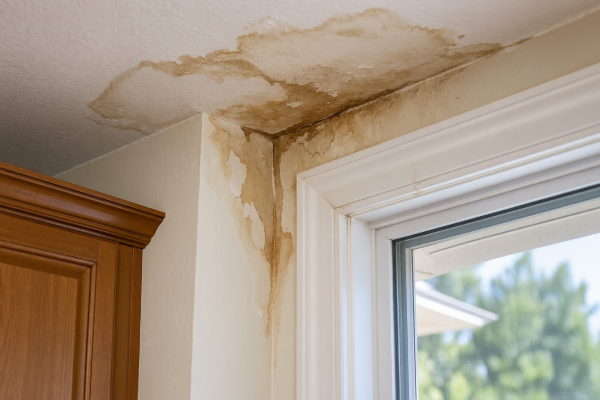
    Water damage isn’t always as obvious as water dripping from the ceiling or a puddle on the floor. Sometimes the first signs of water damage are so small that they’re easy to overlook.

    A little discoloration on a wall. A piece of trim that doesn’t look quite right. Paint that has started to bubble. A floor that suddenly feels a little different under your feet.

    Glenn deals with water damage regularly in his repair work, and one thing he has learned is that what you can see on the surface doesn’t always tell you how much damage is underneath.

    That’s why it pays to notice the little changes around your home.

    Water Stains on Walls and Ceilings

    One of the easiest signs of water damage to recognize is a stain on a wall or ceiling.

    It may be yellowish or brown, or it may simply look like a darker area than the surrounding surface. Even a small stain deserves some attention, especially if it grows larger or returns after being painted over.

    The important thing to remember is that the stain tells you where the water ended up. It doesn’t necessarily tell you where the water came from.

    Water can travel along pipes, framing and other building materials before finally reaching the spot where you see it.

    Peeling, Bubbling or Cracking Paint

    Paint can sometimes give you an early warning that moisture is getting where it shouldn’t.

    Paint may begin bubbling or peeling away from the surface. Drywall underneath it may feel damp or soft. Wallpaper can also begin pulling away from the wall.

    Painting over the problem may make it look better temporarily, but it doesn’t stop the source of the moisture.

    If water is causing the paint to fail, you need to find out where that water is coming from.

    Soft or Swollen Wood

    This is one Glenn pays particular attention to.

    Wood around windows, doors, exterior trim, sinks and other areas exposed to moisture should feel solid. If you press on an area and the wood feels unusually soft, spongy or crumbly, water may have been getting into it for some time.

    Wood can also swell, warp or begin separating.

    And sometimes the damage underneath is considerably greater than what you can see from the outside.

    What looks like one little damaged corner may turn into a much larger repair once the deteriorated material is removed and solid wood is finally reached.

    Warped or Loose Flooring

    Floors can also tell you that something is wrong.

    Wood and laminate flooring may buckle, swell or develop raised areas. Tiles may become loose. Vinyl flooring can lift or change shape.

    Sometimes the problem isn’t actually the flooring. Water may be underneath it.

    A leaking appliance, plumbing problem or another source of moisture can affect the flooring as well as the subfloor beneath it.

    If a section of flooring suddenly starts behaving differently from the rest of the floor, it’s worth finding out why.

    A Musty Smell That Doesn’t Go Away

    Sometimes you can smell a moisture problem before you can see it.

    A persistent musty or moldy odor can be a reason to investigate further, particularly if it seems strongest in one particular room or area.

    The EPA notes that a moldy or musty odor can indicate mold growth that should be investigated. Moisture is what allows indoor mold to grow, so finding and correcting the source of the moisture is important.

    Don’t assume that everything is fine simply because you can’t see anything unusual.

    Look Around Windows and Doors

    Windows and exterior doors are good places to check periodically.

    Look closely at the trim, corners and areas where different materials meet. Watch for cracked or missing caulk, discoloration, peeling paint, swollen wood or soft spots.

    A very small opening can allow rainwater into places where it was never intended to go.

    Over time, repeated exposure can turn what appears to be a minor exterior maintenance problem into damaged wood and a much larger repair.

    Don’t Forget Under Sinks and Around Appliances

    Some of the easiest water leaks to miss are inside the house.

    Take an occasional look underneath kitchen and bathroom sinks. Check around the toilet, dishwasher, washing machine, refrigerator water line and water heater.

    You’re looking for more than standing water.

    Look for staining, dampness, swollen cabinet material, corrosion or anything else that wasn’t there before.

    A slow drip can do a surprising amount of damage when it has weeks or months to work.

    Hidden Water Damage Can Keep Getting Worse

    A small leak doesn’t necessarily stay a small repair.

    If water continues reaching wood, drywall, insulation, flooring or other materials, the affected area can become larger over time. The EPA recommends fixing water problems promptly and drying wet or damp materials quickly—generally within 24 to 48 hours—to help prevent mold growth.

    That’s another reason the early signs of water damage shouldn’t be ignored.

    Your Home Will Often Give You Clues

    You don’t have to be a home repair expert to notice when something has changed.

    You walk through your house every day. You know what your walls, floors, windows and doors normally look like.

    If you notice a new stain, a soft piece of wood, peeling paint, an unusual smell or flooring that suddenly doesn’t feel right, take a closer look.

    It may turn out to be nothing serious.

    But when water is involved, finding the problem early can sometimes mean the difference between a relatively simple repair and discovering much more damage after the surface is opened up.

    When your home gives you a clue that something isn’t right, it’s usually worth paying attention.

  • New World Screwworm in Texas: What Central Texas Animal Owners Should Know

    New World Screwworm in Texas: What Central Texas Animal Owners Should Know

    If you live in rural Central Texas, chances are pretty good that you either own animals or have neighbors who do.

    Cattle, horses, dogs, cats and other animals are part of everyday life for many of us. That’s why the return of New World screwworm to Texas is something worth paying attention to.

    Texas has now confirmed New World screwworm cases in several parts of the state. A recent case involving a working ranch horse in Presidio County is another reminder that animal owners need to know what to watch for.

    At this time, Milam County is not listed among the Texas counties with New World screwworm infested zones. There is no reason to panic, but there is a good reason to be informed.

    Texas Animal Health Commission.

    What Is New World Screwworm?

    Despite its name, New World screwworm isn’t actually a worm.

    It is a type of fly. The problem begins when the female fly lays eggs in or near an open wound or other opening on a warm-blooded animal.

    When those eggs hatch, the larvae feed on living tissue.

    That’s what makes New World screwworm different from many of the maggots we normally associate with dead or decaying material. Screwworm larvae can actually burrow into healthy, living tissue and make a relatively small wound much larger and much more serious.

    Without treatment, an infestation can cause severe injury and can even kill an animal.

    Texas DSHS – New World Screwworm Information.

    What Animals Can Get Screwworm?

    Cattle are a major concern, but New World screwworm isn’t limited to cattle.

    It can affect horses, goats, sheep, pigs and other livestock. Dogs and cats can also become infested.

    Wildlife can be affected as well.

    That makes this an issue for more than ranchers. Someone with a couple of cows, a horse in the pasture or simply dogs and cats around the house should know what an infestation can look like.

    Pay Particular Attention to Wounds

    One of the most important things animal owners can do is pay attention to wounds.

    A cut from a fence, an injury, a surgical incision or another break in the skin can provide a place for a screwworm fly to lay its eggs.

    Check animals regularly, especially if you know they have a wound.

    If something that looked like a small injury suddenly becomes larger or doesn’t appear to be healing normally, take a closer look and contact your veterinarian.

    What Should You Look For?

    An animal with a New World screwworm infestation may appear irritated or uncomfortable.

    There may be an open wound or sore that is getting worse rather than better. The wound may have an unpleasant odor, and larvae may be visible in or around it.

    Those signs don’t automatically mean an animal has New World screwworm. There are other types of flies and larvae that can be found around wounds.

    The important thing is not to try to diagnose it yourself.

    If you see larvae in a wound or suspect a screwworm infestation, contact your veterinarian promptly.

    Dogs and Cats Need Watching Too

    Those of us in the country tend to think about cattle and horses first when we hear about an agricultural pest.

    But don’t forget the dogs and cats.

    Check pets when they come inside, especially if they’ve been injured or have an open sore. Outdoor dogs and cats deserve particular attention because they naturally spend more time around flies.

    If your pet has a wound, keeping it clean and following your veterinarian’s instructions becomes even more important while New World screwworm is present in Texas.

    Good Fly Control Can Help

    Keeping flies under control around animals is always a good idea.

    Keep animal areas as clean as reasonably possible and avoid allowing manure, wet bedding or other material that attracts flies to accumulate.

    Animal owners should also practice good wound care and talk with their veterinarian about appropriate fly-control and animal-health measures for their particular animals.

    There isn’t one solution that is right for every animal or every property, so veterinary guidance is especially important.

    What Should You Do If You Suspect Screwworm?

    Early detection is important.

    If you suspect New World screwworm in livestock or a pet, contact your veterinarian and the Texas Animal Health Commission as soon as possible.

    Don’t simply treat a suspicious wound and forget about it.

    Texas animal-health officials are tracking cases because knowing where infestations are occurring is an important part of controlling the spread.

    Suspected cases involving wildlife should be reported to the Texas Parks and Wildlife Department.

    What Is Texas Doing About It?

    New World screwworm isn’t new to Texas.

    It was once a serious livestock problem throughout the southern United States before being eradicated from the United States in the 1960s.

    One of the most interesting tools being used again today is the sterile insect technique.

    Large numbers of sterile male screwworm flies are released into affected areas. Female screwworm flies mate only once. When they mate with a sterile male, the eggs they produce don’t hatch.

    Over time, that can dramatically reduce the screwworm population.

    Federal and state officials are currently using sterile fly releases along with surveillance, animal inspections and other measures to fight the outbreak.

    What Does This Mean for Milam County?

    For now, this is a be aware, not be afraid situation for those of us in Milam County.

    Milam County is not currently listed as part of the state’s New World screwworm infested zone.

    But Texas already has confirmed cases, and the situation can change.

    If you own cattle, horses, dogs, cats or other animals, get into the habit of looking them over regularly. Pay attention to wounds. Keep animal areas reasonably clean and take unusual wounds or visible larvae seriously.

    Most importantly, don’t wait several days hoping that a suspicious wound will clear up on its own.

    Country Living Means Keeping an Eye on Things

    Living in Central Texas comes with a lot of benefits, but it also means keeping an eye on our property and the animals that depend on us.

    Sometimes it’s a loose fence board. Sometimes it’s a leaking pipe. And sometimes it’s noticing that an animal has a small injury that needs attention before it becomes something much bigger.

    New World screwworm is another one of those things we need to know about without becoming unnecessarily alarmed.

    At Driscoll Home Services, we’re part of the same rural Central Texas community. We’ll continue watching developments that could affect our homes, properties, families and animals and pass along information when there’s something our neighbors need to know.

  • Where to Start Cleaning a Messy House When It Has Gotten Away From You

    Where to Start Cleaning a Messy House When It Has Gotten Away From You

    Sometimes a house just gets away from you.

    It doesn’t necessarily happen because you don’t care about your home. Life gets busy. You get tired. You may be working long hours, taking care of other people, or simply have too many other things that need your attention.

    A few dishes are left in the sink. The laundry piles up. Things get put down instead of put away. Before you know it, you look around the house and wonder where in the world you are supposed to start.

    If you are wondering where to start cleaning a messy house, the most important thing is not to try to clean the entire house at once.

    Pick a place and start.

    Start With the Trash

    I think one of the easiest places to start is with the obvious trash.

    Get a good-sized trash bag and walk through the room. Don’t worry about dusting or scrubbing anything yet. Just pick up the things that you know need to be thrown away.

    Empty food containers, junk mail, paper towels, empty bottles and other trash can make a room look much worse than it really is.

    Getting those things out of the way can make a noticeable difference pretty quickly.

    Gather Up the Dishes

    Next, collect the dishes.

    You don’t necessarily have to stop and wash every dish you find. The first goal is simply to get them all to the kitchen.

    Once they are there, you can load the dishwasher or start washing them a little at a time.

    A clean kitchen sink and an empty kitchen counter can make the whole kitchen feel better, even if there is still plenty of work left to do.

    Get the Laundry Under Control

    Laundry has a way of taking over a house.

    Gather the dirty clothes, towels and linens and put them in baskets or in one designated place. Start a load if you have enough for one.

    But there is another part of laundry that can create just as much clutter—the clean clothes that never got put away.

    If you have baskets of clean clothes sitting around, don’t feel like you have to stop everything and organize every drawer and closet. Fold what needs folding and get as much of it put away as you reasonably can.

    The object right now is to make progress.

    Work on One Room at a Time

    One of the easiest ways to get discouraged is to work a little in the kitchen, notice something in the living room, carry it to the bedroom and then start cleaning the bedroom.

    Before long, you have worked all over the house and it doesn’t look like you accomplished much of anything.

    Choose one room.

    Even if you can’t finish the entire room, choose one part of it. Clean the kitchen table. Clear one countertop. Straighten one corner of the living room.

    When you can actually see an area that you have finished, it gives you a little encouragement to tackle the next one.

    Don’t Try to Organize Everything While You Clean

    Cleaning and organizing are not always the same job.

    If you haven’t used something in years and know you don’t want it anymore, certainly get rid of it. But this probably isn’t the best time to spend two hours going through a box of old photographs or deciding what to do with every piece of paperwork you own.

    Have a box or basket for things that belong somewhere else.

    Put those things in it and deal with them later.

    Otherwise, it is very easy to turn a cleaning job into an organizing project and never get the cleaning done.

    Clean From the Top Down

    Once the clutter is out of the way, you can actually start cleaning your home.

    I like to work from the top down.

    If the ceiling fan needs dusting, do it before you clean the floor. The same goes for shelves, furniture and countertops. There isn’t much sense in vacuuming a floor and then knocking dust and crumbs all over it.

    Save sweeping, vacuuming and mopping until toward the end.

    That way, you are cleaning up everything that has fallen while you worked.

    If you’ve discovered pantry pests while cleaning, see our guide to getting rid of pantry moths.

    Don’t Expect to Finish Everything in One Day

    If your house has gotten away from you over several weeks or months, don’t expect yourself to put everything back in order in a few hours.

    You may get tired.

    That’s okay.

    Finish the job you are working on, put away your cleaning supplies and come back to it later.

    One completely clean room is an accomplishment. So is one clean counter, one empty sink or one load of laundry that is washed, folded and put away.

    Every job you finish is one less job waiting for you tomorrow.

    Keeping It From Getting Away From You Again

    Once you get the house back under control, keeping it that way is usually much easier than getting it there in the first place.

    Try not to let dishes sit for days. Take the trash out when it is full. Put a load of laundry in before the hamper is overflowing.

    You don’t have to keep a perfectly clean house every minute of every day.

    Very few people do.

    A few minutes spent picking things up each day can prevent that small mess from becoming a big job later.

    Sometimes You Just Need Some Help

    There are also times when the job is simply bigger than you want to tackle by yourself.

    Maybe you’ve been busy. Maybe you’re preparing for company. Maybe you have fallen behind and would rather have someone help you get caught up.

    There is nothing unusual about that. We see homes in all different stages of being lived in.

    At Driscoll Cleaning, our job isn’t to judge how the house got that way. Our job is to help get it clean.

    And sometimes, getting a little help is all it takes to get things back under control.

  • Carol’s Quick Household Tip: Clean Ceiling Fans With a Pillowcase

    Carol’s Quick Household Tip: Clean Ceiling Fans With a Pillowcase

    Ceiling fan blades can collect a surprising amount of dust, and wiping them with a regular dust cloth often sends that dust all over the room.There’s an easier and much less messy way to clean them. Clean the ceiling fan with an old cotton pillowcase.

    Slip the pillowcase completely over one ceiling fan blade. With your hands on the outside of the pillowcase, gently wipe the top and bottom of the blade as you pull the pillowcase back toward you.

    The inside of the pillowcase wipes the blade clean while catching most of the loose dust inside instead of letting it fall onto your furniture, bed, or floor.

    Repeat with each blade, then take the pillowcase outside, turn it inside out and shake the dust out before washing it.

    Carol’s Tip: Use an old cotton pillowcase that you don’t mind getting dirty. It makes cleaning those dusty ceiling fan blades a lot less messy.

    Looking for more simple ideas? See more of Carol’s Quick Household Tips from Driscoll Home Services.

Our Family of Businesses

© driscollhomeservices.com